In the construction machinery sector, the diversified design of bulldozers caters to varying operational needs. Beyond standard models, specialized types developed for unique geographic environments have become the preferred choice for construction projects. This article dissects the core advantages of wetland-type, high-altitude, and forestry bulldozers from the perspectives of chassis structure, performance optimization, and scenario adaptability.
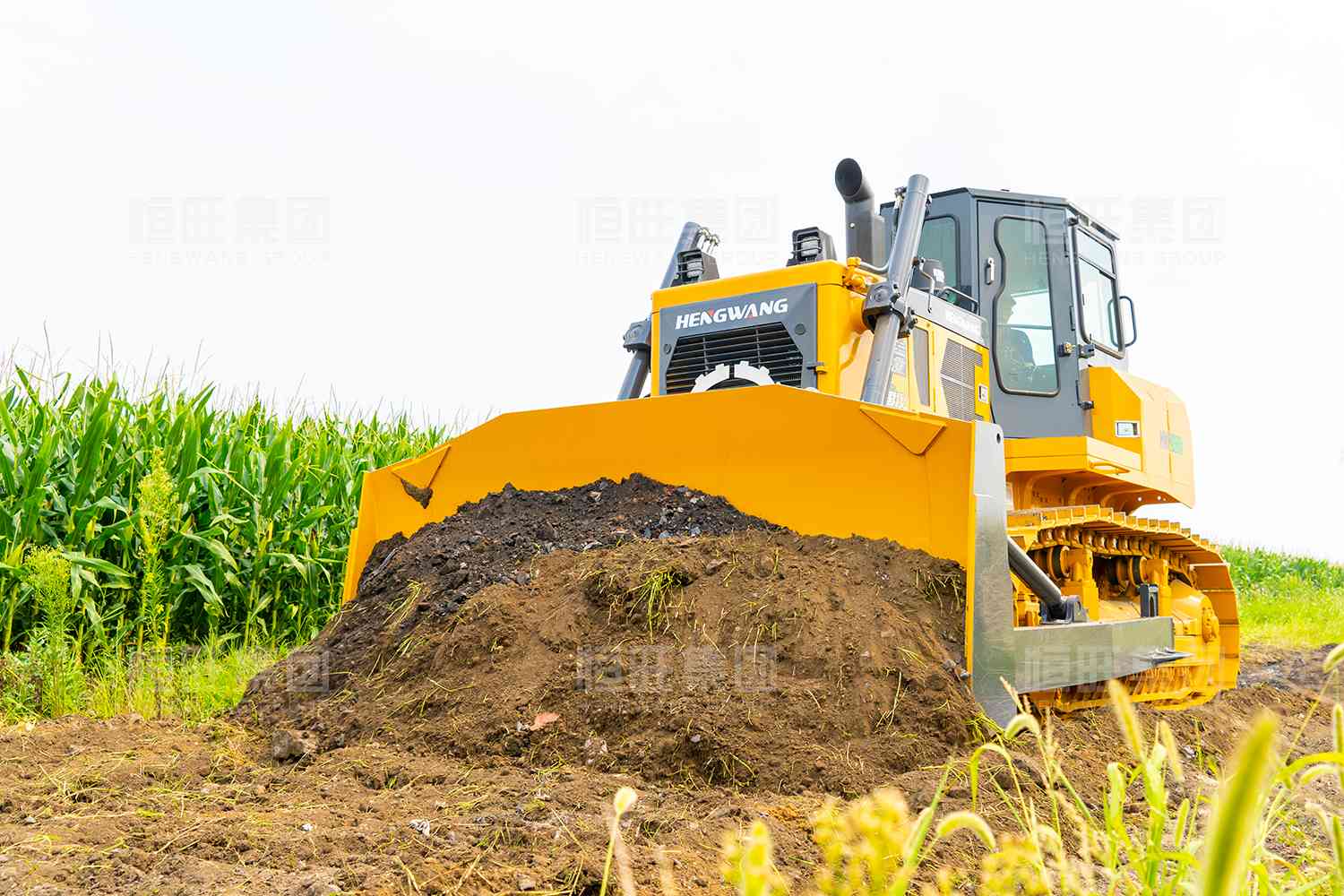
1. Wetland-Type Bulldozers: Experts in Soft-Terrain Mobility
Designed for muddy swamps and soft ground, wetland-type bulldozers feature low ground pressure chassis technology—widened tracks and increased ground contact area reduce unit pressure to less than 60% of standard models, preventing sinking in sludge. Their electrical systems adopt fully sealed waterproofing, with moisture-proof rubber sleeves on wiring harness interfaces and rust-proof coatings on key components, ensuring stable circuitry even in prolonged water immersion.
Ideal for riverbank regulation, lake dredging, and coastal tidal flat development, these bulldozers excel in soft soil leveling and sludge transportation. The unique chassis design allows operation at over 3km/h on clay with over 30% moisture content, boosting efficiency by 40% compared to standard bulldozers. They serve as essential equipment for water conservancy and ecological restoration projects.
2. High-Altitude Bulldozers: Powerhouses for Elevated Terrains
Engineered for altitudes above 4,000 meters, high-altitude bulldozers enhance both powertrain performance and operator comfort:
These models suit high-altitude railway construction, mine stripping, and wind farm foundation projects. In regions like the Qinghai-Tibet Plateau and Yunnan-Guizhou Plateau, their stable power output and reliable cold-weather performance are pivotal for overcoming high-altitude construction challenges.
3. Forestry Bulldozers: Protective Workhorses for Wooded Areas
Forestry bulldozers prioritize comprehensive protection design for harsh forest and shrub environments:
Mainly used for forest road construction, post-disaster tree clearance, and firebreak creation, these bulldozers ensure efficient earthmoving and towing in complex vegetation while reducing equipment wear by over 30%.
Selection Guide: Matching Models to Operational Needs
When choosing a bulldozer, consider three key environmental factors:
As the "ground pioneers" of construction, specialized bulldozers align equipment performance with scenario demands through targeted design. Whether navigating swampy wetlands or powering through high-altitude forests, selecting the right model enhances construction efficiency and reduces long-term maintenance costs, serving as a cornerstone for project implementation.